The 3 Most Common Hockey Injuries — And How to Recover Faster
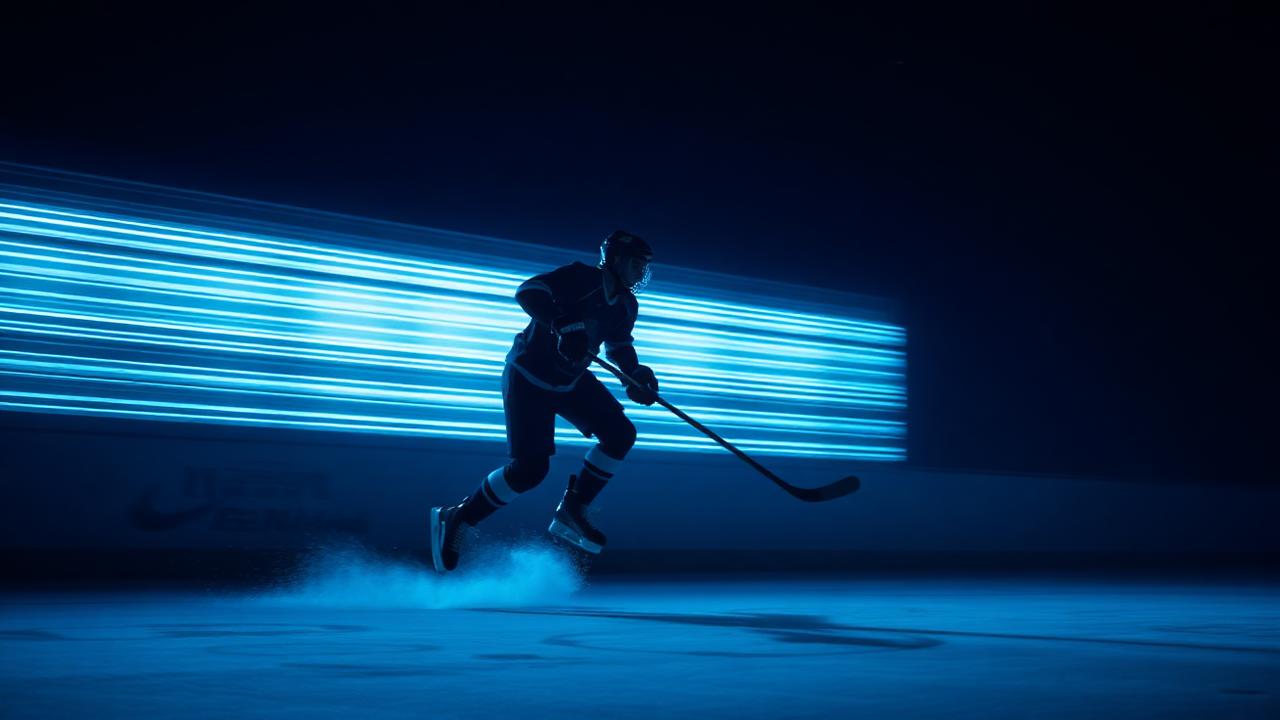
Dr. Owen Friest grew up playing hockey and now treats the same injuries he used to skate through. Here are the three most common ones — and the evidence-based way to fix them.
A note from Dr. Owen Friest
I grew up on the ice. From learn-to-skate at five years old through travel and high school hockey, the rink was a second home — and so were the bumps, bruises, and nagging injuries that come with the sport. That background is a big part of why I treat so many hockey players today. I know what it feels like to push through a sore hip after a tournament weekend, to wake up stiff after taking a hit, and to wonder whether that "tweak" is going to cost you the season. The good news: most of the injuries I see in hockey players are highly treatable when addressed early with the right combination of chiropractic care, soft tissue work, and rehab.
Below are the three injuries I see most often in hockey players — from youth travel skaters to adult-league warriors — backed by the research, and what we actually do about them at Indy Spine and Rehab.
1. Hip Adductor & Groin Strains
What it is. The adductors (inner-thigh muscles) fire constantly during skating to push, brake, and change direction. Adductor strains are one of the most common injuries in hockey, accounting for roughly 10–25% of all hockey injuries in published studies of elite and junior players (Tyler et al., AJSM; Emery & Meeuwisse).
Why hockey players get it. The stride loads the adductor longus eccentrically at the end of every push-off. Weak hip adductor strength relative to the abductors is a well-documented risk factor — players with an adductor:abductor strength ratio under ~80% are significantly more likely to suffer a groin injury during the season.
How we help. We combine joint manipulation of the hip, SI joint, and lumbar spine to restore mechanics, instrument-assisted soft tissue work (IASTM) and dry needling to the adductor group, and a progressive loading program (Copenhagen adduction protocol) that has been shown in randomized trials to reduce groin injury rates by up to 41%. Most players return to full skating in 2–6 weeks depending on grade.
2. Low Back Pain & Sacroiliac (SI) Joint Dysfunction
What it is. The skating posture — hips flexed, trunk forward, spine rotating with every stride and shot — places repetitive shear load on the lumbar spine and SI joints. Low back pain is the most commonly reported overuse complaint in hockey players, with prevalence as high as 30–60% over a season in surveys of junior and professional skaters.
Why hockey players get it. Repetitive asymmetric rotation (every slap shot, every crossover) combined with tight hip flexors and weak deep core stabilizers (transverse abdominis, multifidus) creates a perfect storm for facet irritation and SI joint dysfunction.
How we help. Spinal manipulation has Grade A evidence for acute and subacute low back pain (per the American College of Physicians 2017 guidelines). We pair adjustments with targeted soft tissue work to the psoas, QL, and glute medius, then progress players into McGill-style core stability work and hip mobility drills. Most players are back on the ice without restriction inside 2–4 weeks.
3. Concussion
What it is. Concussion is a traumatic brain injury caused by a direct blow or whiplash force — common in hockey from body checks, falls, and board contact. Hockey has one of the highest concussion rates of any team sport, with studies reporting 1.5–7 concussions per 1,000 athlete-exposures depending on level of play.
Why hockey players get it. Speed, ice, boards, and contact. Even non-checking leagues see concussions from incidental head contact and falls.
How we help. Modern concussion care is active, not "sit in a dark room." Following the 2023 Amsterdam Consensus Statement on Concussion in Sport, we use a graded return-to-play protocol that includes cervical spine treatment (the neck contributes to a large portion of persistent post-concussive symptoms), vestibular and oculomotor rehab, sub-symptom threshold aerobic exercise (the Buffalo Concussion Treadmill protocol), and manual therapy for cervicogenic headache. Early active care has been shown to shorten recovery time compared to passive rest alone.
The bottom line
Hockey is hard on the body — but most of the injuries that sideline players are predictable, preventable, and very treatable when you get on top of them early. If you or your athlete is dealing with a nagging groin, a stiff back after games, or recovering from a hit, don't wait it out. Get assessed, get a plan, and get back on the ice stronger than before.
— Dr. Owen Friest, DC
References
- Tyler TF, et al. The association of hip strength and flexibility with the incidence of adductor muscle strains in professional ice hockey players. Am J Sports Med.
- Emery CA, Meeuwisse WH. Risk factors for groin injuries in hockey. Med Sci Sports Exerc.
- Harøy J, et al. The Adductor Strengthening Programme prevents groin problems among male football players. Br J Sports Med. 2019.
- Qaseem A, et al. Noninvasive Treatments for Acute, Subacute, and Chronic Low Back Pain. Ann Intern Med. 2017 (ACP Guidelines).
- Patricios JS, et al. Consensus statement on concussion in sport — Amsterdam 2022. Br J Sports Med. 2023.