
Tennis Elbow: What It Is, Symptoms, and How We Help
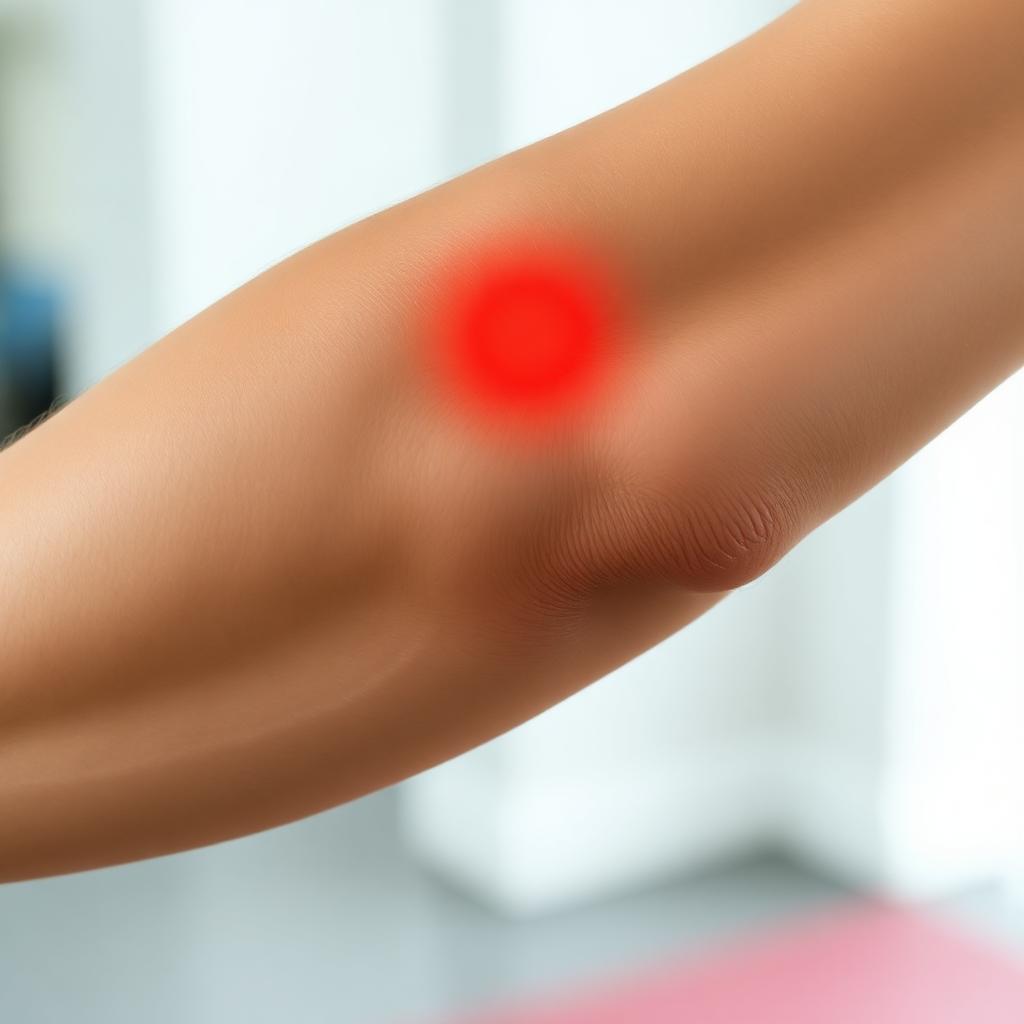
Tennis elbow (lateral epicondylalgia) is a stubborn overuse injury of the forearm tendons — and you don't need to play tennis to get it. Here's what the research says about what causes it, what to look for, and how we treat it in Carmel.
What is tennis elbow?
Tennis elbow — clinically called lateral epicondylalgia or lateral epicondylitis — is an overuse injury of the tendons that attach to the outside (lateral) bump of your elbow. The most commonly involved tendon belongs to the extensor carpi radialis brevis (ECRB) muscle, which helps extend and stabilize the wrist.
Despite the old "-itis" label, biopsy and imaging studies show tennis elbow is not primarily an inflammatory condition. It''s a tendinopathy — a breakdown in the tendon''s collagen structure from repetitive load that outpaces the tendon''s ability to repair itself (Coombes et al., BJSM, 2015).
Only about 5% of cases actually come from tennis. Most patients we see in Carmel developed it from:
- Repetitive gripping (mechanics, electricians, hairstylists, chefs)
- Long hours of typing and mousing
- Pickleball, golf, weightlifting, rock climbing
- A sudden increase in yard work, painting, or DIY projects
Common symptoms
Tennis elbow usually creeps in gradually. Classic symptoms include:
- Pain on the outside of the elbow, sometimes radiating down the forearm
- Weak or painful grip — hard to open jars, shake hands, or hold a coffee cup
- Pain when lifting with the palm facing down (picking up a gallon of milk is a giveaway)
- Tenderness when you press on the bony bump on the outside of the elbow
- Morning stiffness in the forearm that loosens up with movement
- Symptoms that flare with typing, mousing, or repetitive wrist use
If you have numbness, tingling, or night pain, that usually points to a nerve issue (like radial tunnel syndrome) rather than pure tendinopathy — and it''s worth an evaluation.
Who tends to get it
Tennis elbow most commonly affects adults between 35 and 54 years old, and it''s equally common in men and women (Shiri et al., Am J Epidemiol, 2006). Risk goes up with:
- Jobs involving repetitive gripping or forceful wrist extension
- More than 2 hours per day of computer/mouse use
- Smoking and untreated diabetes (both slow tendon healing)
- A recent spike in training volume or new sport
How we help
The good news: most cases of tennis elbow respond well to conservative, hands-on care — no injections or surgery needed. What the research consistently supports (and what we do at Indy Spine & Rehab):
- Soft-tissue work (ART & Graston): Active Release Technique and instrument-assisted soft tissue mobilization address the adhesions and tight spots in the forearm extensors that keep pulling on the sore tendon. Multiple trials show manual therapy plus exercise beats exercise alone (Bisset et al., BMJ, 2006).
- Dry needling: Targets trigger points in the ECRB, extensor digitorum, and supinator that refer pain into the elbow — often producing rapid drops in pain and improved grip strength.
- Loaded eccentric and isometric exercise: The single most effective long-term treatment. We prescribe a progressive tendon-loading program (heavy slow resistance) that rebuilds the tendon''s tolerance to work — this is the piece most people skip, and it''s why symptoms come back.
- Joint mobilization: Restoring normal motion at the elbow, wrist, and even the neck (the nerves that supply the forearm exit at C5–C7) takes tension off the tendon.
- Ergonomic and technique coaching: Mouse and keyboard setup, grip size on rackets/clubs, and lifting mechanics — small tweaks that stop the cycle from restarting.
Most patients notice meaningful improvement within 4–6 visits and full return to activity within 6–12 weeks. Chronic cases (over a year of symptoms) take longer but still respond.
When to come see us
Don''t wait 6 months hoping it goes away — early treatment for tendinopathy is markedly more effective than late treatment. If the outside of your elbow has been bothering you for more than 2–3 weeks, come in for an evaluation. We''ll figure out whether it''s truly tennis elbow, a nerve entrapment, or a referral from the neck — and get you on a targeted plan.
References
- Coombes BK, Bisset L, Vicenzino B. Management of Lateral Elbow Tendinopathy: One Size Does Not Fit All. J Orthop Sports Phys Ther. 2015.
- Bisset L, et al. Mobilisation with movement and exercise, corticosteroid injection, or wait and see for tennis elbow. BMJ. 2006;333:939.
- Shiri R, Viikari-Juntura E, Varonen H, Heliövaara M. Prevalence and Determinants of Lateral and Medial Epicondylitis. Am J Epidemiol. 2006;164(11):1065–1074.
- Cullinane FL, Boocock MG, Trevelyan FC. Is eccentric exercise an effective treatment for lateral epicondylitis? Clin Rehabil. 2014;28(1):3–19.